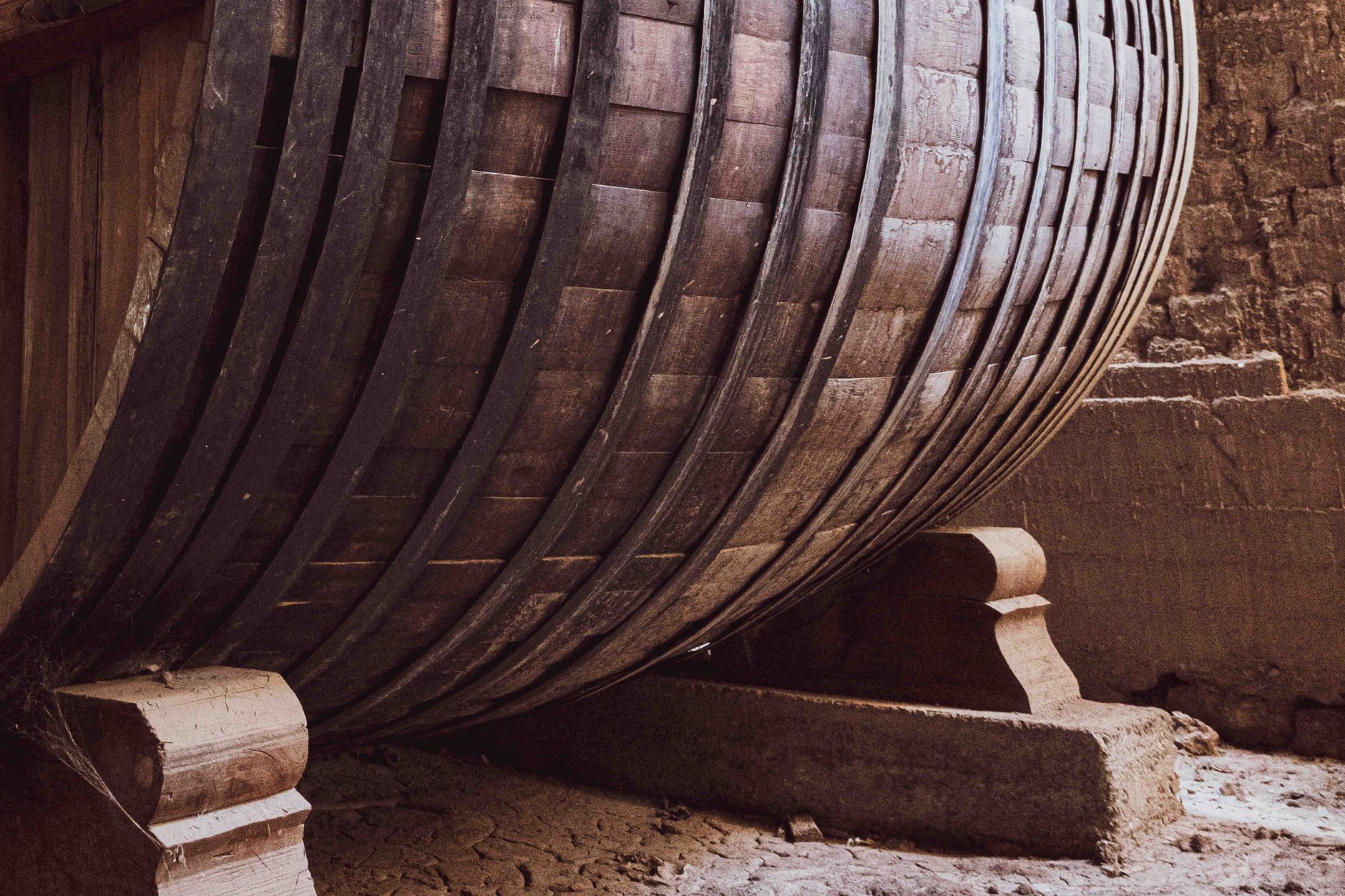
ancient wine production is making headlines as the Memphis Temple reopens after being unexcavated since 1962. Recent findings of grape seeds confirm the site’s historical significance.
Exploring Ancient Wine Production at Memphis Temple
The recent reopening of the Memphis Temple, which has remained unexcavated since 1962, has unveiled significant insights into ancient wine production practices. Archaeologists have discovered grape seeds that confirm the area’s historical role in viticulture.
These findings suggest that the Memphis Temple was not only a religious site but also a center for agricultural innovation. The presence of grape seeds indicates that the ancient inhabitants cultivated vineyards, likely for both ceremonial and economic purposes. This discovery aligns with the broader understanding of ancient societies that utilized wine in rituals and as a trade commodity.
Researchers highlight the importance of this site in connection with the trade routes of the time, suggesting that Memphis played a crucial role in the dissemination of wine-related practices across ancient civilizations. The ability to produce wine on a large scale would have provided various benefits, including:
- Economic Growth: Wine production could have fostered trade.
- Cultural Significance: Wine was integral to many religious ceremonies.
- Social Interaction: Wine feasts promoted community bonding.
These revelations about ancient wine production at Memphis Temple continue to reshape our understanding of this influential civilization.
The Significance of Ancient Wine Production Discoveries
The recent discoveries at the Memphis Temple have shed light on the significance of ancient wine production in the region. Archaeological teams have unearthed grape seeds that date back thousands of years, confirming that wine was not only produced but also held a vital role in the daily lives of ancient Egyptians.
These findings highlight several key aspects of ancient wine production:
- Cultural Importance: Wine was often used in religious rituals and feasts, symbolizing prosperity and divine favor.
- Economic Value: The production of wine contributed significantly to the economy, with vineyards serving as a source of both sustenance and trade.
- Technological Advancements: The techniques used in ancient wine production demonstrate a sophisticated understanding of fermentation and preservation methods.
Furthermore, the Memphis Temple’s unexcavated status since 1962 adds to the excitement surrounding these discoveries, suggesting that much more about ancient wine production and its impact on society remains to be revealed.
How Ancient Wine Production Shapes Cultural Heritage
The discovery of ancient wine production at the Memphis Temple has unveiled a rich tapestry of cultural heritage that dates back thousands of years. This ancient practice not only highlights the significance of viticulture in ancient societies but also showcases the intricate relationship between agriculture and cultural identity.
Evidence of grape seeds and wine-making tools provides a glimpse into the rituals and social gatherings that were integral to the community. These findings suggest that wine was not merely a beverage but a symbol of status and spirituality, often used in religious ceremonies.
Moreover, the techniques employed in ancient wine production reflect the ingenuity of past civilizations, offering insights into their agricultural practices and trade networks. As researchers continue to study these artifacts, it becomes clear that the legacy of wine-making has influenced various aspects of life, from culinary traditions to economic development.
Through the lens of ancient wine production, we gain a deeper appreciation for the cultural heritage of the region, reminding us of the enduring impact that these early practices have on contemporary society.
- Rituals: Wine played a key role in religious ceremonies.
- Social gatherings: It served as a centerpiece for community events.
- Agricultural practices: Techniques reveal past ingenuity.
Memphis Temple: A Hub for Ancient Wine Production
The Memphis Temple has long been recognized as a pivotal site for understanding ancient wine production. Recent discoveries have further solidified its reputation as a center for viticulture during antiquity. Archaeologists have unearthed remnants of grape seeds and wine-making tools, indicating that this temple was not just a religious site but also a thriving hub for the production of wine.
These findings highlight the importance of the Memphis Temple in the context of ancient trade and rituals. Wine was an essential part of religious ceremonies in ancient Egypt, often used in offerings and celebrations. The presence of extensive storage facilities suggests that significant quantities of wine were produced and distributed from this location.
Moreover, the techniques employed in the wine production process discovered at the temple reveal advanced methods for the time, showcasing the ingenuity of ancient winemakers. This reinforces the idea that ancient wine production was not only a cultural practice but also a sophisticated industry that played a crucial role in the economy of ancient Egypt.
As further excavations continue, the Memphis Temple promises to unveil even more secrets about the social and economic aspects of ancient wine production.
Grape Seeds and Their Role in Ancient Wine Production
The recent discoveries at the Memphis Temple have shed light on the critical role of grape seeds in ancient wine production. Archaeologists uncovered numerous grape seeds that date back thousands of years, providing invaluable insights into the winemaking practices of ancient civilizations.
These seeds, which are remnants of the grape varieties cultivated at the time, offer evidence of the biodiversity present in ancient vineyards. By analyzing the genetic makeup of these seeds, researchers can reconstruct the types of grapes that were favored by ancient winemakers and how these preferences evolved.
Additionally, the presence of grape seeds indicates not only the production of wine but also the cultural significance it held in ancient societies. Wine was often associated with religious ceremonies and social gatherings, making its production a vital aspect of community life.
In summary, the grape seeds found at the Memphis Temple provide a direct link to ancient wine production practices, revealing the intricate relationship between agriculture, culture, and ritual in the ancient world.
Visiting Memphis Temple: Ancient Wine Production Insights
The recent reopening of the Memphis Temple, which has remained unexcavated since 1962, offers a unique opportunity to delve into the fascinating world of ancient wine production. As researchers explore the site, they uncover vital insights into the techniques and practices that defined wine-making in ancient cultures.
Visitors to Memphis Temple can expect to see:
- Artifacts: Tools and vessels used in the wine production process.
- Exhibits: Interactive displays showcasing ancient fermentation methods.
- Guided Tours: Experts sharing knowledge about the significance of grape seeds and their role in ancient wine production.
Moreover, the temple’s excavation has revealed grape seeds that confirm the long-standing tradition of viticulture in the region. This discovery not only highlights the temple’s role as a center for ancient wine production but also emphasizes the cultural and economic importance of wine in ancient societies.
As the exploration continues, Memphis Temple stands as a testament to the enduring legacy of ancient wine production, inviting both scholars and enthusiasts to appreciate its rich history.
Photo by Ivanna Di Lorenzo on Pexels